‌‌‌‌
‌
‌
‌
‌
‌
‌
‌
‌
‌
‌
‌
‌
‌
‌
‌
‌
‌
‌
‌
‌
‌
‌
‌
‌
‌
‌
‌
‌
‌
‌
‌
‌
‌
‌
‌
‌
‌
‌
‌
‌
‌
‌
‌
‌
‌
‌
‌
‌
‌
‌
‌
‌
‌
‌
‌
‌
‌
‌
‌
‌
‌
‌
‌
‌
‌
‌
‌
‌
‌
‌
‌
‌
‌

What are the Atlas Mountains?

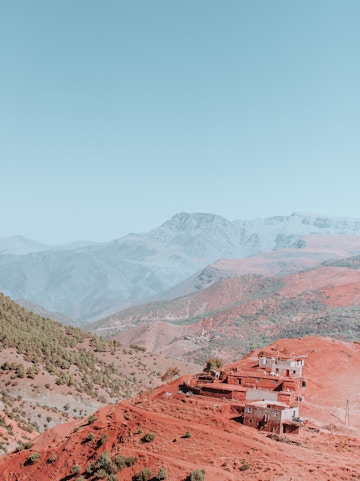
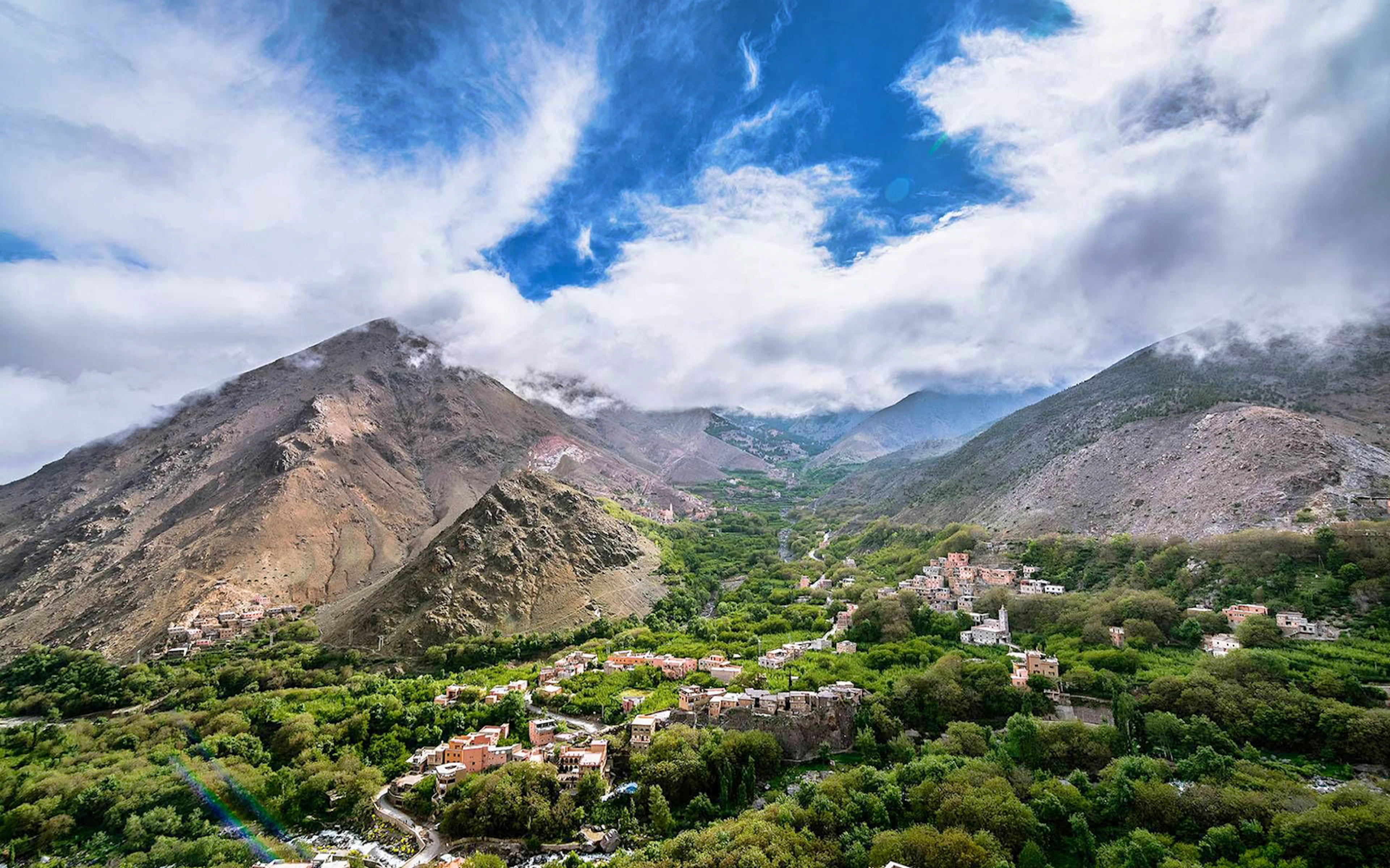
The Atlas Mountains are North Africa's great mountain range: a wall of peaks, valleys and Berber villages that begins less than an hour south of Marrakesh. Cross from the city and the world changes within an hour: ochre walls give way to rushing rivers, terraced fields, walnut orchards and snow-dusted ridgelines.

  • 📍 Where: South of Marrakesh; foothills ~45 min away
  • ⛰️ Scale: Peaks over 4,000 m; Toubkal is North Africa's highest
  • ⏱️ Time needed: A full day, ~6–8 hrs door to door
  • 💰 From: ~€40–60 pp on a group day trip; more for private
  • 🚐 How most explore it: Guided day trip from Marrakesh, via the Ourika Valley
  • 📅 Best time: Spring for green & waterfalls; winter for snowy peaks
  • 🎟️ Book ahead in peak season. Spring and summer weekend trips fill up days in advance. → See Atlas day trips
Ourika Valley lush landscape with Atlas Mountains in the background, Morocco.

Getting your bearings: how the Atlas Mountains are explored

Think of the High Atlas as a mountain wall south of Marrakesh, with a handful of roads reaching into different valleys and plateaus. You don't really choose an attraction or ticket: you choose a region. That decision shapes the scenery, activities, travel time, and overall feel of your day.

Ourika Valley: the green river valley

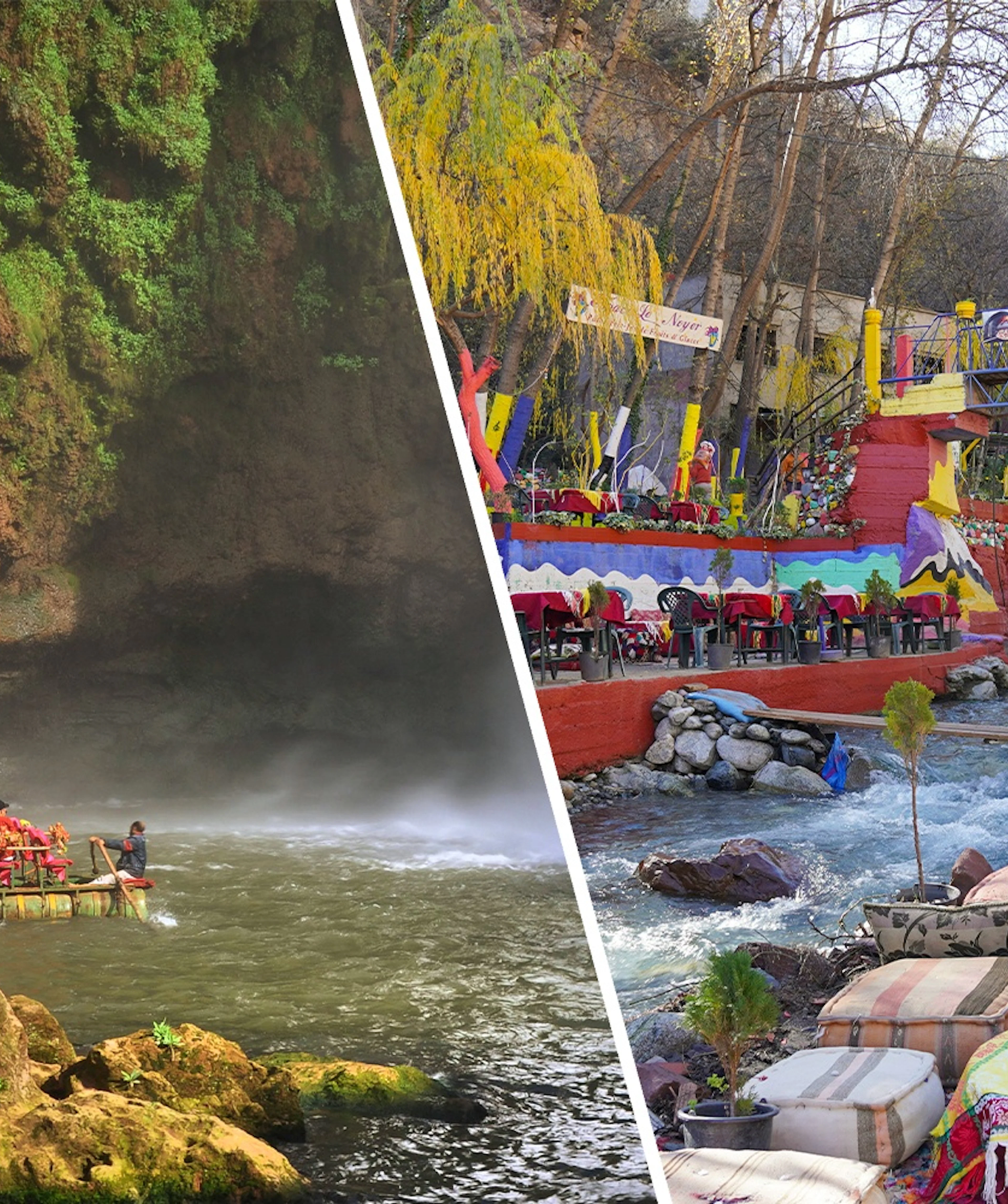
The most accessible and popular part of the Atlas. A green river valley known for Berber villages, terraced fields, riverside cafés, and the Setti Fatma waterfalls.

👉 Best for: a relaxed first taste of the Atlas, village life, riverside scenery, and an easy waterfall walk.

Imlil & the Toubkal foothills: the high country

A higher-altitude mountain area and the gateway to Jebel Toubkal. Trails, mule paths, walnut groves, and dramatic scenery make it the Atlas' most hiking-focused region.

👉 Best for: authentic mountain landscapes and rewarding hikes.

Asni & Ouirgane: the quiet valleys

Quieter valleys with olive groves, local markets, and fewer visitors. The pace here is slower and more focused on rural life than major sights.

👉 Best for: slow travel, local culture, and market visits.

Oukaïmeden: the high plateau

A high mountain plateau that becomes Morocco's main ski destination in winter and offers dramatic alpine scenery throughout the rest of the year.

👉 Best for: snow in winter and dramatic high-mountain scenery year-round.

Tizi n'Tichka Pass: the mountain crossing

Rather than a destination in itself, this spectacular road crosses the Atlas toward southern Morocco and the desert landscapes beyond. Most visitors experience it as part of a longer journey rather than a standalone day trip.

👉 Best for: scenic road trips and onward travel toward Aït Benhaddou, Ouarzazate, and the Sahara.

💡 Tip: Focus on one region per day. Each sits on a different road into the mountains, and trying to combine multiple valleys usually means spending more time driving than exploring.

👉 Quick pick: which Atlas region suits you?
  • Ourika → Green valleys, rivers & waterfalls
  • Imlil → High peaks, big views & rewarding hikes
  • Asni & Ouirgane → Quiet villages, markets & local life
  • Oukaïmeden → Snow in winter, high-altitude scenery year-round

First time? Choose Ourika for an easy introduction or Imlil for a more adventurous mountain experience.

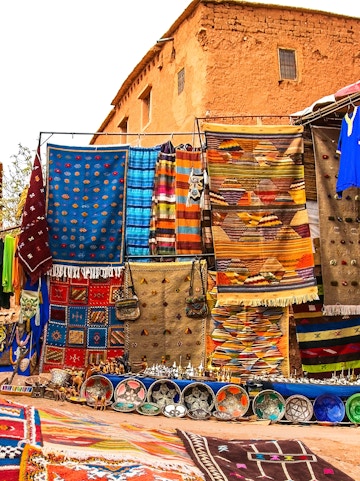
Market stall with local snacks and tourists in Ourika Valley, Morocco.

Choose your Atlas Mountains day trip

Day tripWhat's includedBest forFrom

🚐 Ourika Valley (group)

Riad pickup, valley drive, Berber village, argan co-op, Setti Fatma hike

First-timers, value

~€40 pp

🗺️ 3 Valleys

Ourika + Asni + Oukaïmeden loop, villages, viewpoints

Wanting variety in a day

~€50 pp

🥾 Imlil & Toubkal foothills

Higher village, alpine walking, mule option

Active explorers

~€60 pp

🚗 Private Ourika tour

Same stops, your pace, garden add-ons

Couples, families, slow days

~€90+

What a day in the Atlas looks like

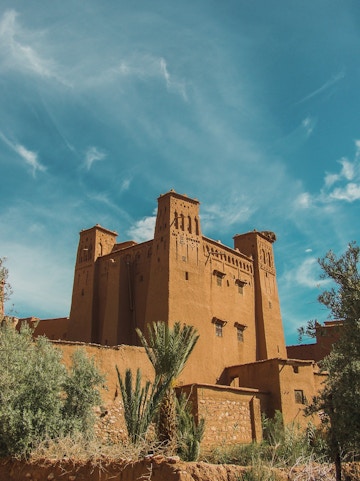
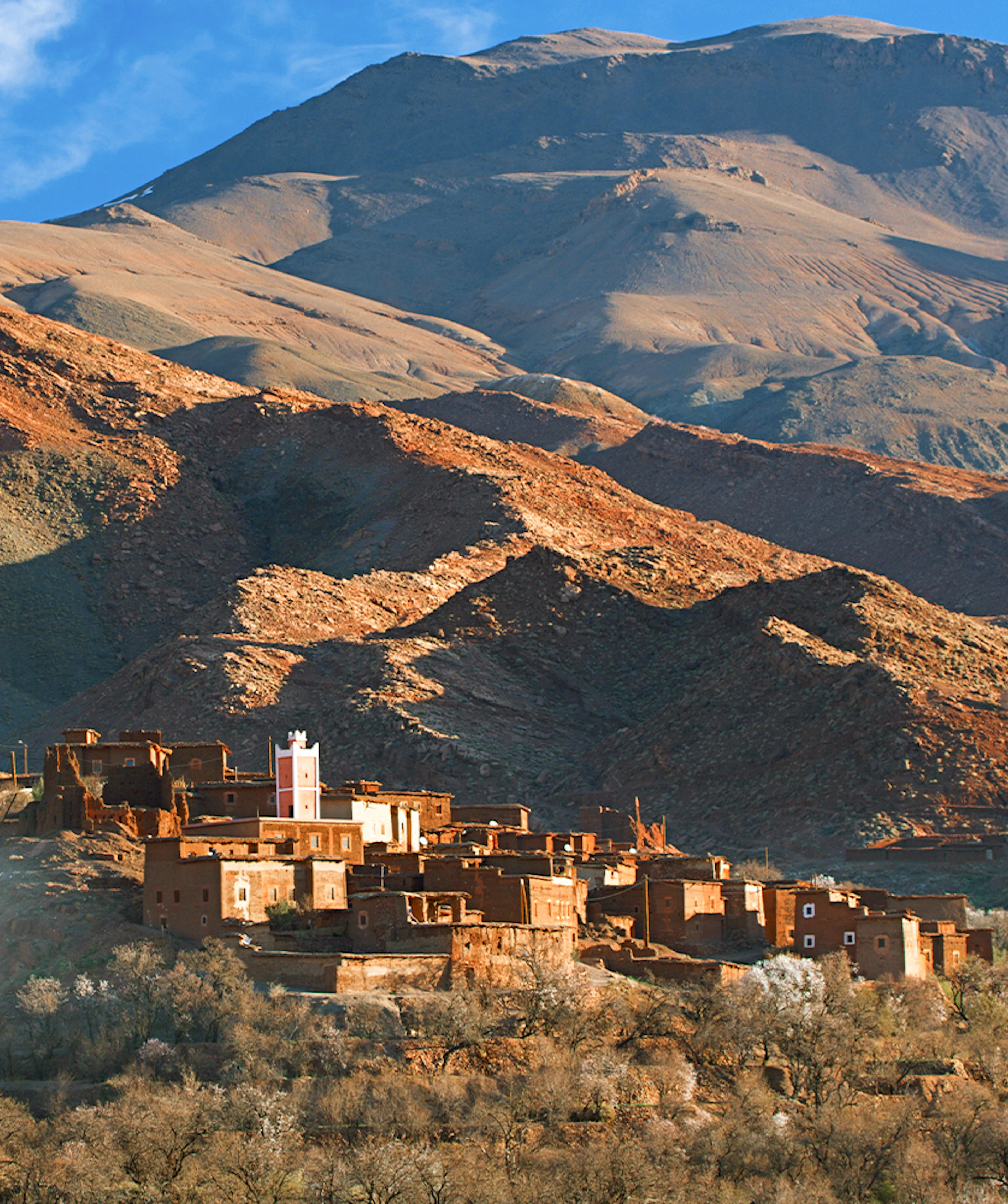
Old Berber architecture with palm trees near Tamellalt, Morocco.
1/5

Berber villages & mountain life

Many tours stop in traditional Amazigh (Berber) villages, where adobe homes cling to the hillsides and families farm the terraces. A short home visit with mint tea is often the cultural highlight of the day.
~30–45 min

Argan, made by hand

A common stop is a women-led argan cooperative, where you'll see the traditional process of cracking, grinding, and pressing argan nuts while learning the difference between culinary and cosmetic oils.
~20–30 min

Waterfall walks & valley hikes

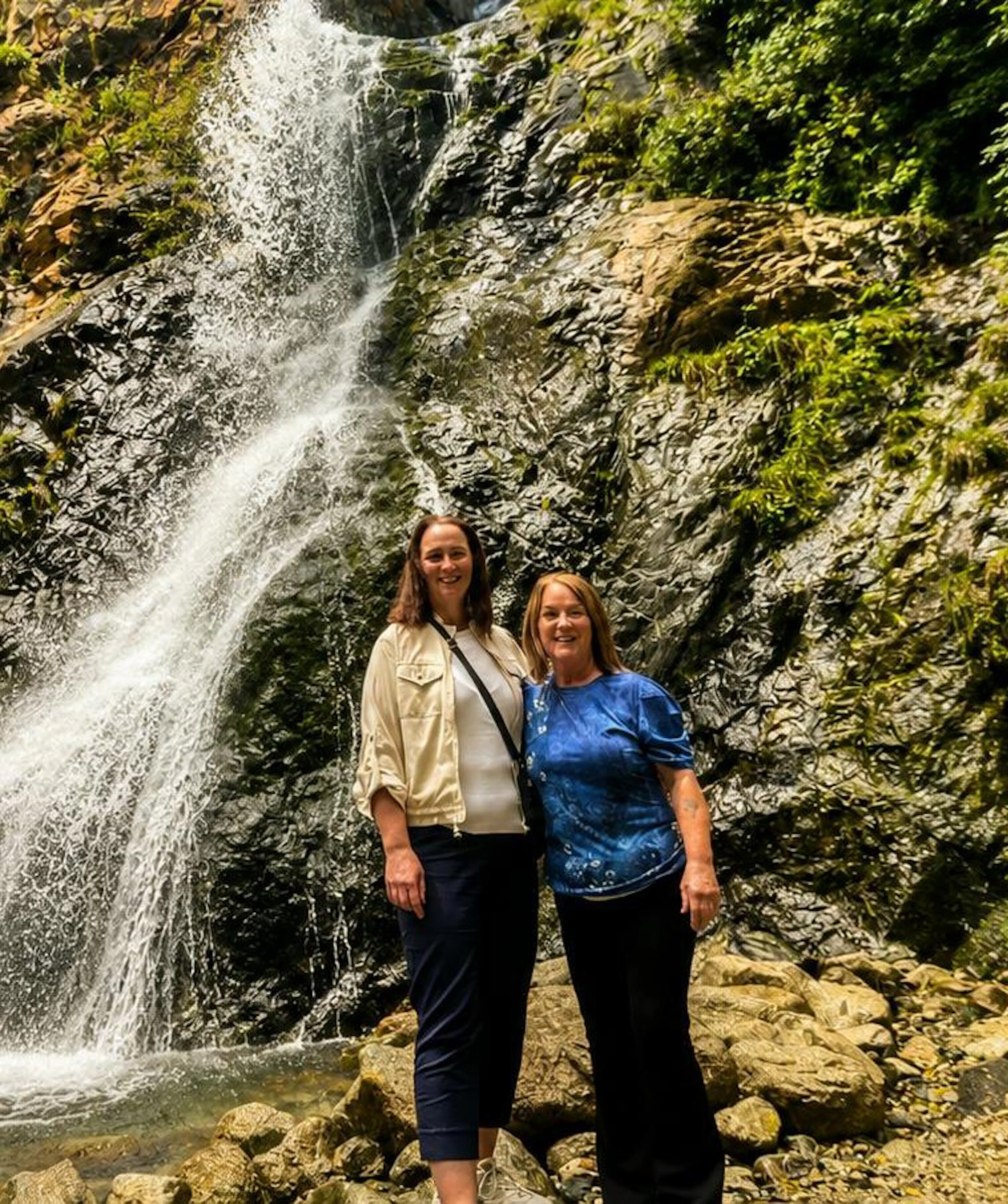
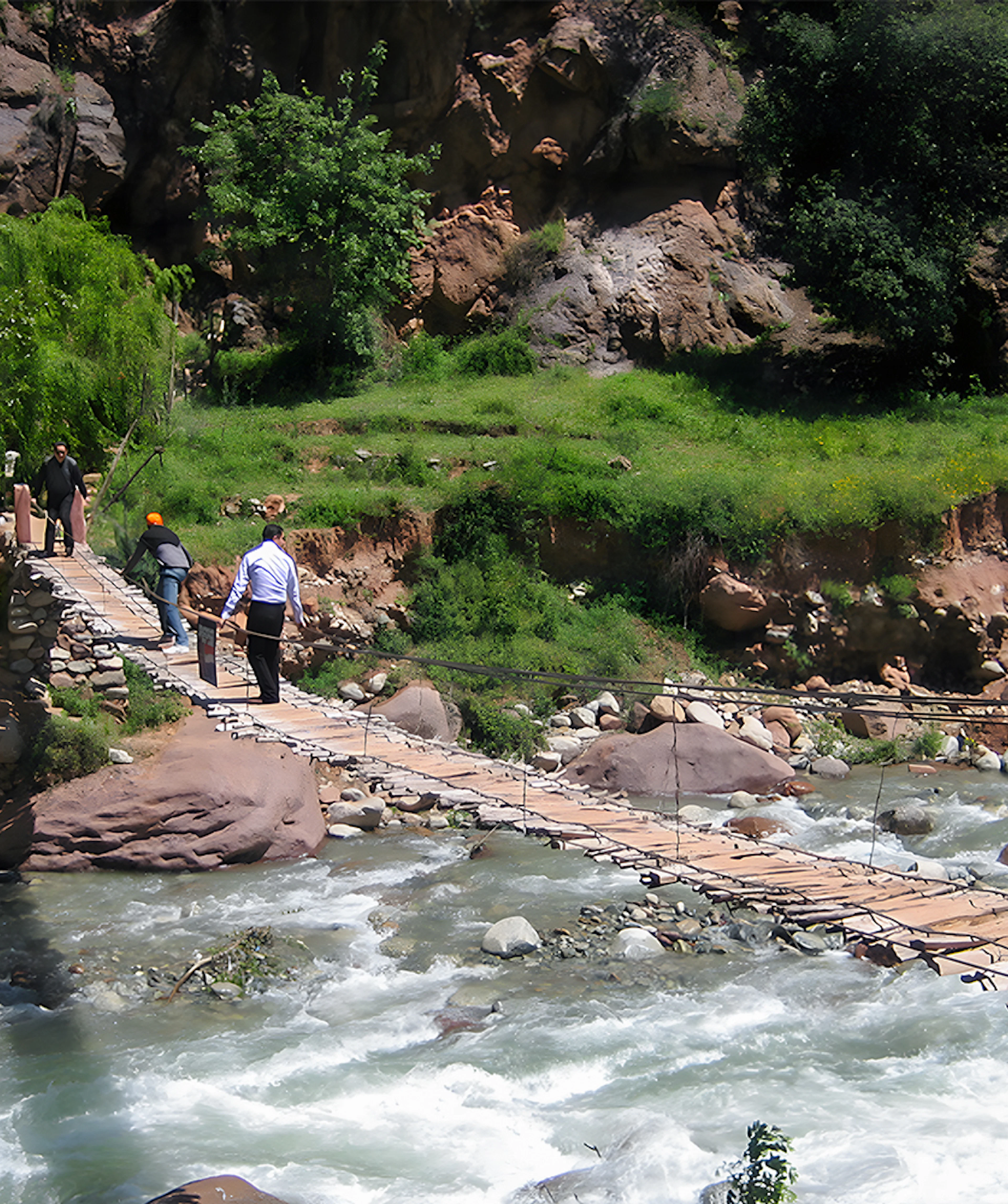
The classic Atlas experience is the hike to the Setti Fatma waterfalls in the Ourika Valley. The trail is rocky and includes river crossings, but most visitors can comfortably reach the first waterfall. More adventurous hikers can continue higher into the valley.
~1.5–2 hrs

Mountain viewpoints & changing scenery

Part of the experience is simply watching the landscape unfold: rivers running beside the road, terraced fields climbing the slopes, and snow-capped peaks appearing in the distance. Most tours include several short photo stops at panoramic viewpoints.

Weekly Berber markets (on select days)

If your visit coincides with a market day, you may stop at a traditional souk where locals buy and sell produce, spices, livestock, and textiles. These markets offer a glimpse of everyday mountain life that many visitors miss.

Getting to the Atlas from Marrakesh

Most visitors explore the Atlas on a day trip from Marrakesh. The closest valleys are under an hour away, making the mountains one of the easiest escapes from the city.

📍 Typical travel times

  • Ourika Valley: ~45–60 min
  • Setti Fatma waterfalls: ~1.5 hrs
  • Imlil & Toubkal foothills: ~1.5 hrs

Exploring independently

Possible if you're comfortable arranging transport and navigating mountain roads. The main challenge isn't reaching the valleys—it's fitting together hikes, local guides, village visits, and lunch stops into a smooth day.

Joining a guided tour

The easiest option for most travellers. You'll get round-trip transport from Marrakesh, a planned route through the valleys, and a local guide for activities such as the Setti Fatma waterfall walk.
⚠️ If you're staying in a riad inside the medina, pickup is usually from the nearest accessible street rather than the riad itself.

Best time to explore

SeasonWhat it's like

🌸 Spring (Mar–May)

The best all-rounder: greenest valleys, fullest waterfalls, snowy peaks

☀️ Summer (Jun–Aug)

Cool escape from the city heat; busiest on weekends

🍂 Autumn (Sep–Nov)

Quiet, warm, clear; walnut-harvest season

❄️ Winter (Dec–Feb)

Snow on the peaks and at Oukaïmeden; mild valleys, cold mornings

Know your trip essentials

⏰ Time needed

Keep a full day free. Most trips take 6–8 hours with the drive, viewpoints, lunch, village stops, and short walks.

🚐 From Marrakesh

The journey is part of the experience, with winding roads, changing scenery, valley views, and photo stops along the way.

💵 Cash use

Carry Moroccan dirhams for lunch, tips, snacks, market stalls, cooperatives, and small purchases.

🥾 Walking level

Light walks are common, but waterfall routes and Imlil trails can include rocky paths, steps, and uphill sections.

🍽️ Food stops

Lunch is usually at a local restaurant, riverside café, guesthouse, or village stop. Check if it’s included or paid separately.

🚻 Facilities

Popular areas have cafés and basic toilets. Smaller villages, viewpoints, and trail areas have fewer facilities.

🏘️ Village visits

Many routes pass through Amazigh villages and cooperatives. Dress modestly and ask before photographing people.

🌄 Low-effort option

Not every visit needs a hike. Choose a scenic drive, valley lunch, and village-stop route if you want an easier day.

Frequently Asked Questions

No, the Atlas is the whole range; the Ourika Valley is one valley within it, and the most accessible part to explore on a day trip from Marrakesh.