



- Choose this if you want unhurried time in the spice rooms, utensil displays, and tea salon, following the self-guided audio tour at your own pace.
- Choose this if you are mainly looking for cultural context before exploring Marrakech’s local restaurant scene. This is the standard, lowest‑priced ticket and does not include tastings or cooking.
Top attractions
How Headout makes choosing experiences effortless
We curate the best ways to experience
We research and organise all unique experiences - from tickets to tours to special combos - so you get all the choices without the clutter.
We partner with the best
Every supplier is vetted for quality, reliability, and value so you only get top rated experiences. No surprises, no disappointments.
All the best options, in one place
Each experience is thoughtfully organised to give you maximum availability, great value and an easy way to choose.
Book with complete peace of mind
Free cancellations, Flexible payments, and 24/7 support - thoughtfully designed for flexibility, assurance, and total peace of mind.
Slide 1 of 41/4
Slide 1 of 4

Moroccan Culinary Art Museum Tickets: Quick Overview
- Ways to experience: Choose standard museum entry with an audio guide and coffee, or select combo tickets that add entry to Bahia Palace, El Badi Palace, or the Saadian Tombs.
- When to book: High season in Marrakech (March–May, September–November) and weekends are busier; pre-book monument combos early to secure your preferred dates.
- Access & flow: All visits are self-guided with a digital audio guide. Be sure to download it before arrival, as the mobile signal weakens inside the historic building.
- The loop rhythm: Allow about 1 hour for the galleries, plus extra time for your coffee break. Combos cover both the museum and one monument within a flexible medina schedule.
- Sensory environment: The interiors feel cooler and quieter than the bustling medina, featuring aromatic spice displays, historic culinary objects, and gentle audio-visual elements.
- Seating & comfort: Expect walking and climbing staircases between museum levels (there is no elevator). Comfortable, seated tables await you in the Tea Salon.
Compare your ticket options
| Ticket type | Access Level | Why pick this |
|---|---|---|
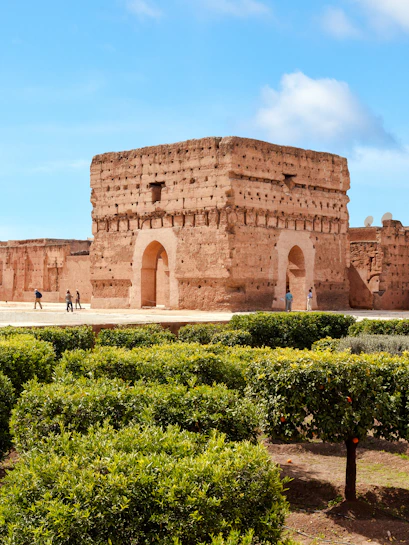
El Badi Palace Entry with Culinary Art Museum Visit | Entry to El Badi Palace and Moroccan Culinary Art Museum | • Visit 2 Marrakech sites with one combined ticket • Pair historic ruins with culinary heritage in one visit |
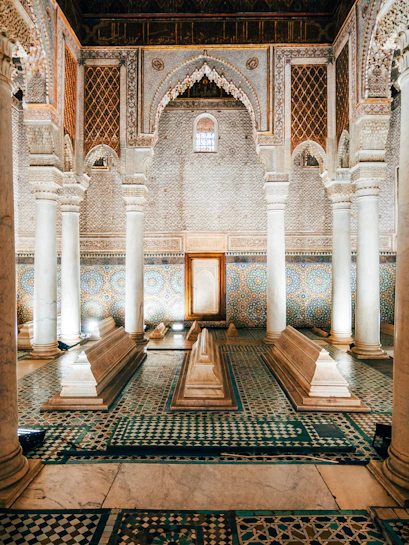
Saadian Tombs Admission with Culinary Art Museum | Entry to Saadian Tombs and Moroccan Culinary Art Museum | • Combine 2 landmark sites in a single timeslot • Add culinary context to Saadian Tombs in one visit |
Moroccan Culinary Art Museum Ticket with Coffee & Audio Guide | Entry to Moroccan Culinary Art Museum only | • Get entry plus 2 extras: coffee and audio guide • Commentary included via audio guide during your visit |
Bahia Palace Admission with Culinary Art Museum Visit | Entry to Bahia Palace and Moroccan Culinary Art Museum | • Visit Bahia Palace and culinary museum with 1 combo ticket • Efficiently link architecture and food heritage in one outing |
What to expect at the Moroccan Culinary Art Museum
1/6
Arrive into a hidden riad
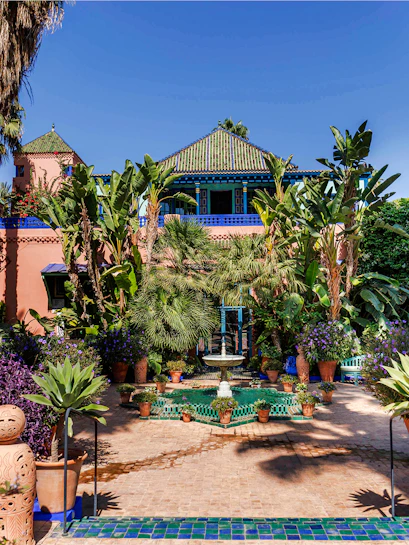
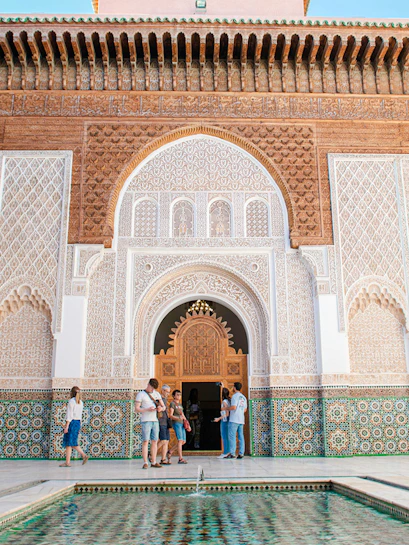
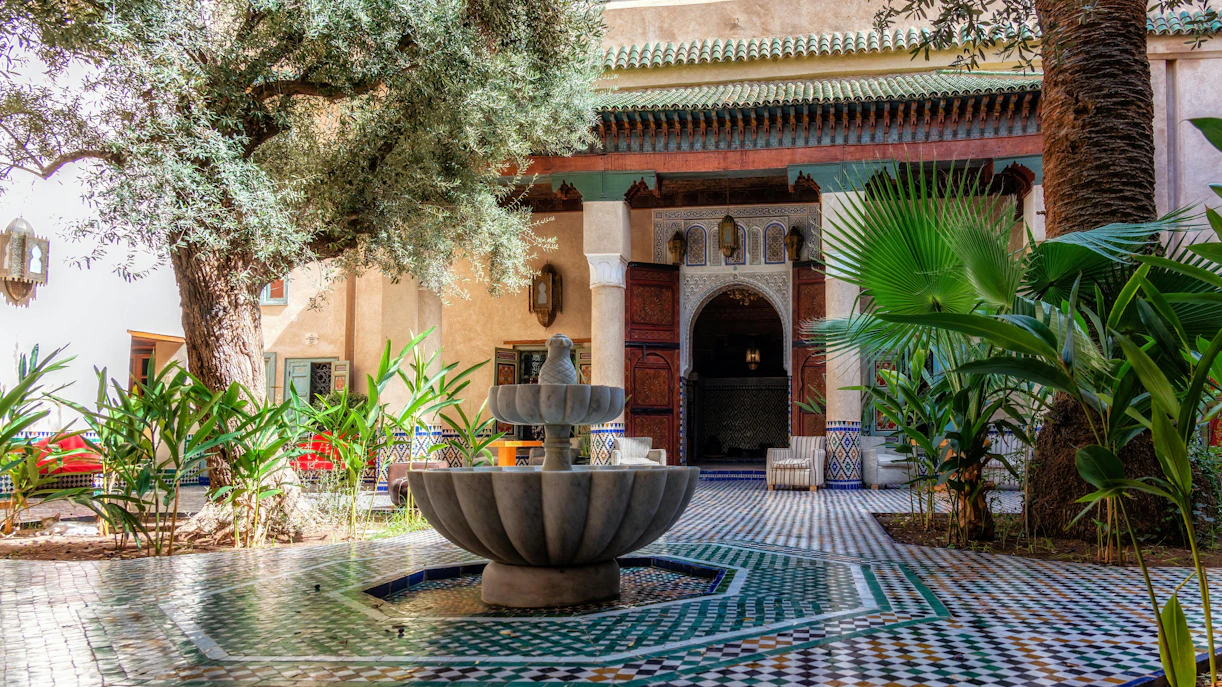
Step through an unmarked doorway into a cool, high-walled riad. Noise and heat drop away as you enter a vast courtyard featuring zellige tiles, a marble fountain, and orange and olive trees.
Follow the spice trail
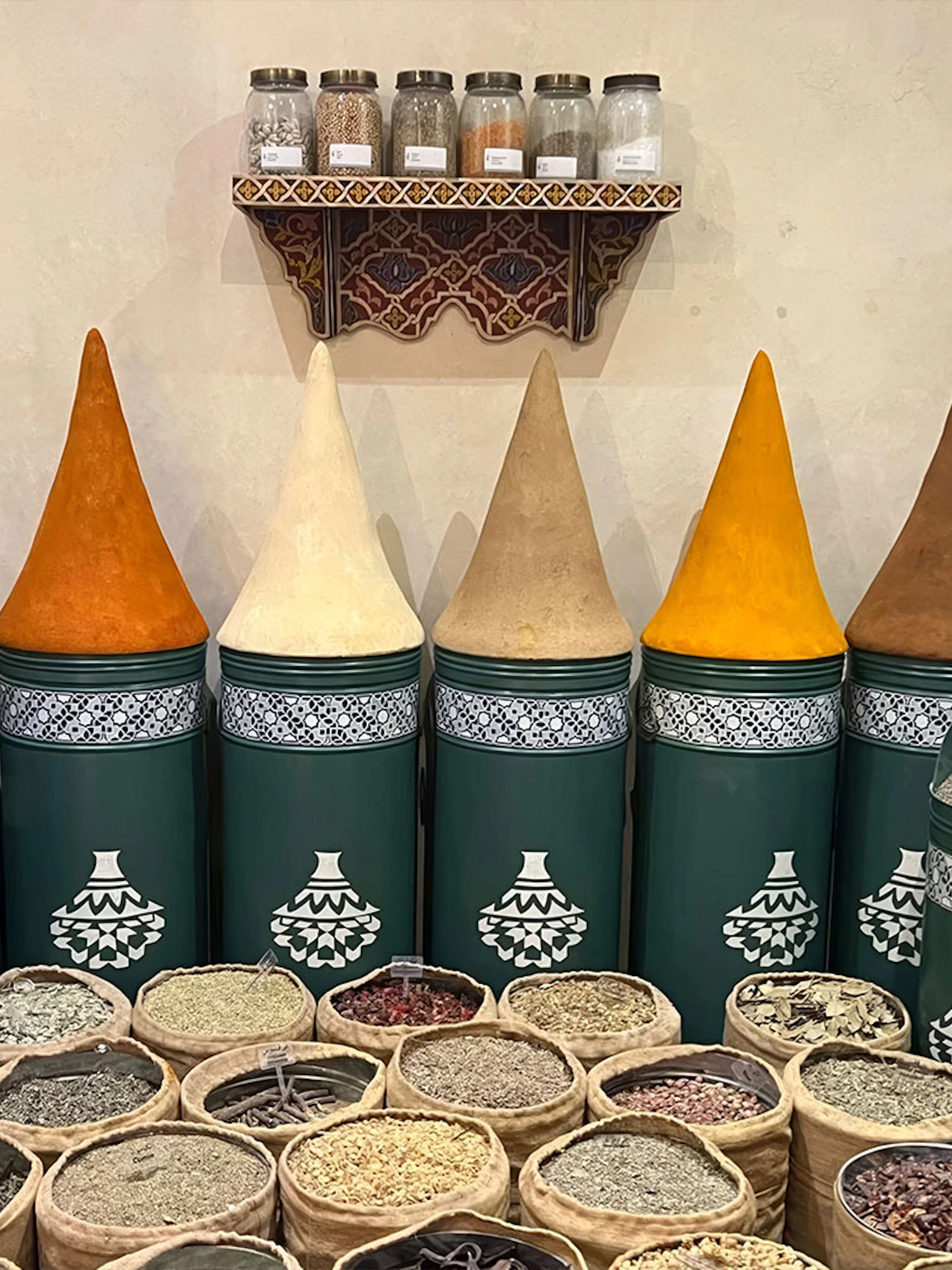
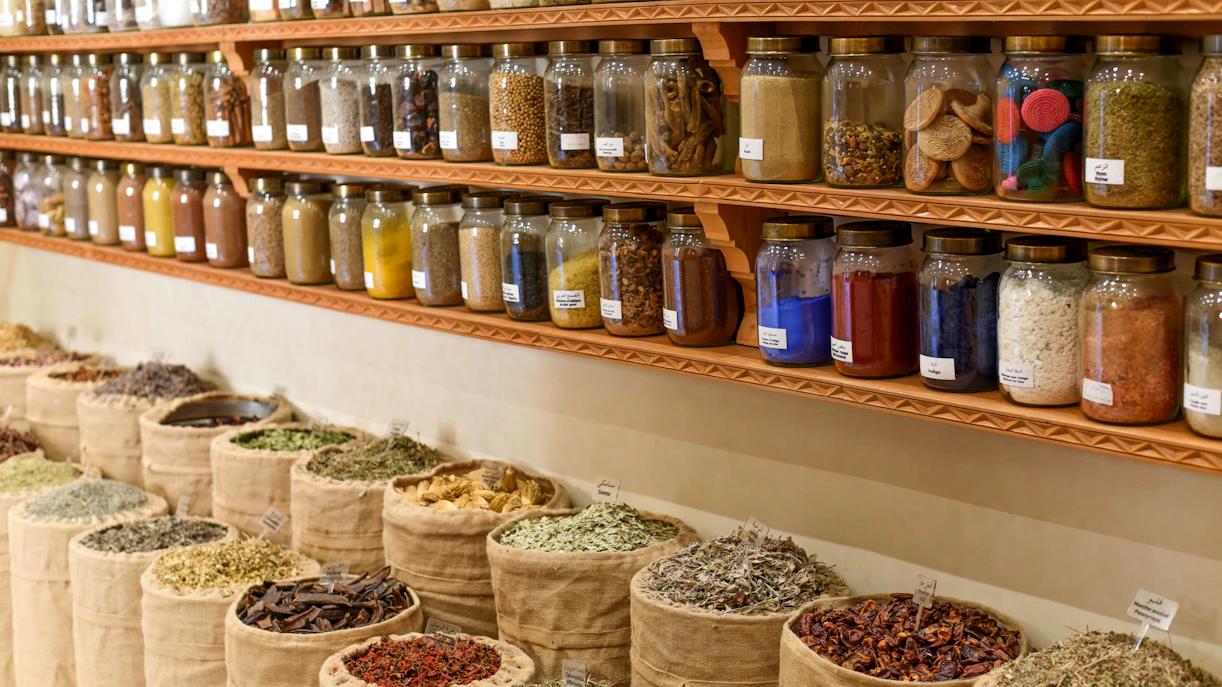
Move into the Spice Chamber, where open sacks of cumin, saffron, and Ras el Hanout invite you to touch and smell. Detailed panels and videos trace ancient trade routes.
Explore tools and family tables
Wander past glass cases filled with traditional tagines, couscous steamers, and baking stones. Low couches, embroidered cushions, and brass trays highlight traditional family dining setups.
Rest in the tea salon
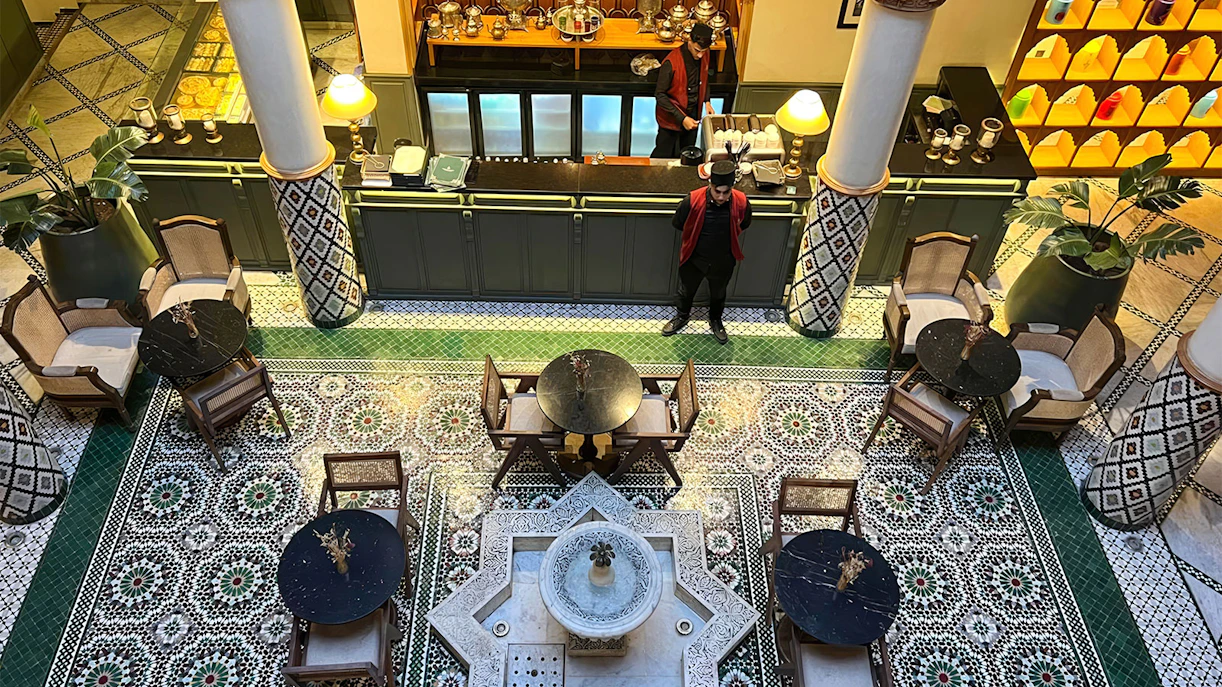
Slip into an air-conditioned room styled with traditional poufs, carved ceilings, and colored glass windows. Enjoy mint tea or coffee with pastries in a relaxed setting.
Climb to rooftop views
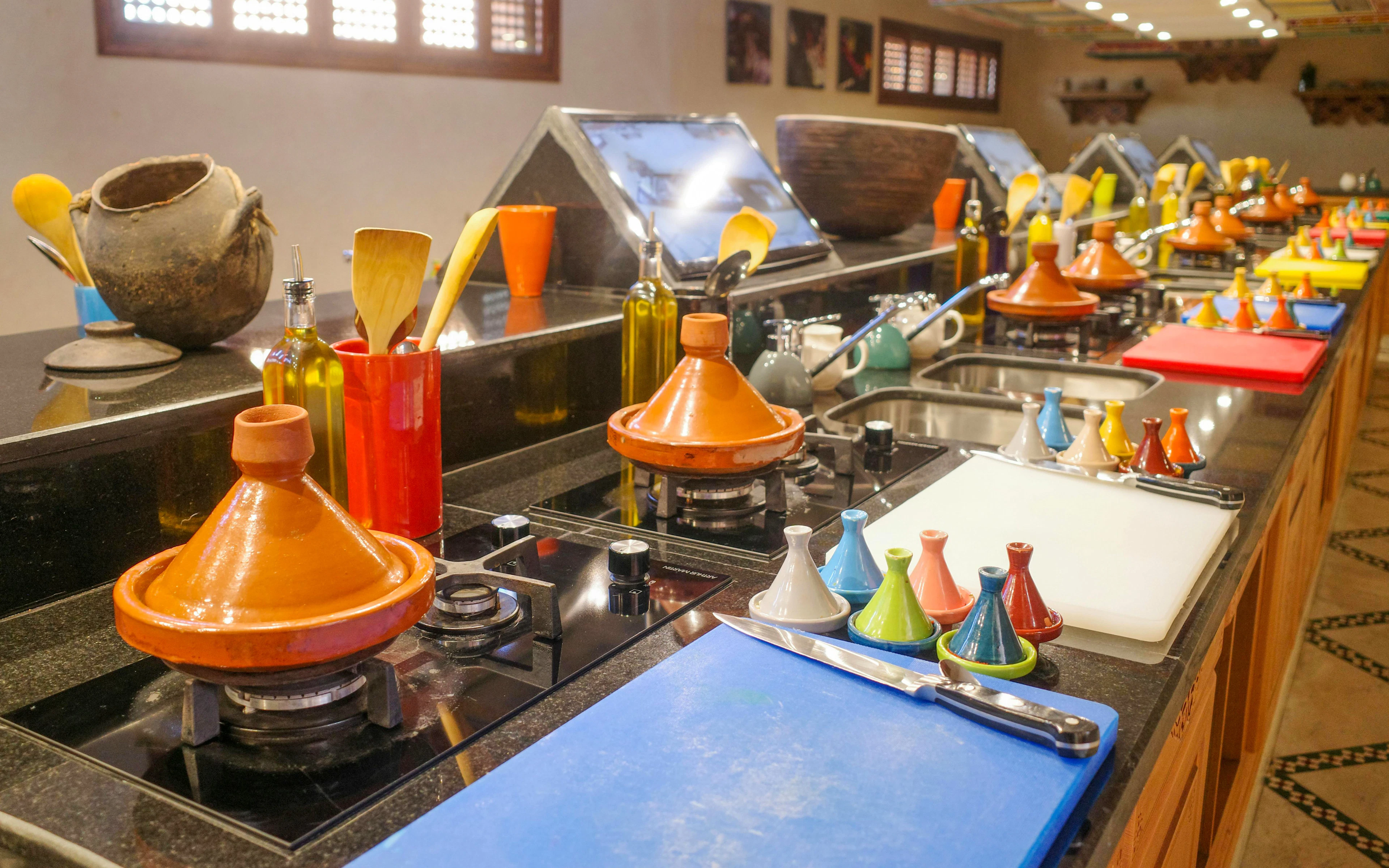
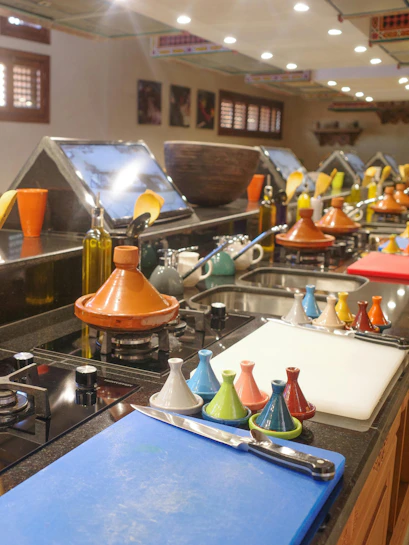
Your visit continues upstairs, showcasing a 34-station kitchen and a rooftop restaurant that offers sweeping views over terracotta roofs and the distant minaret.
Set your own pace
The galleries, tea salon, and boutique are entirely self-guided. Guests are welcome to wander at their own leisure, pausing for photos and personal reflection.
Choosing between experiences
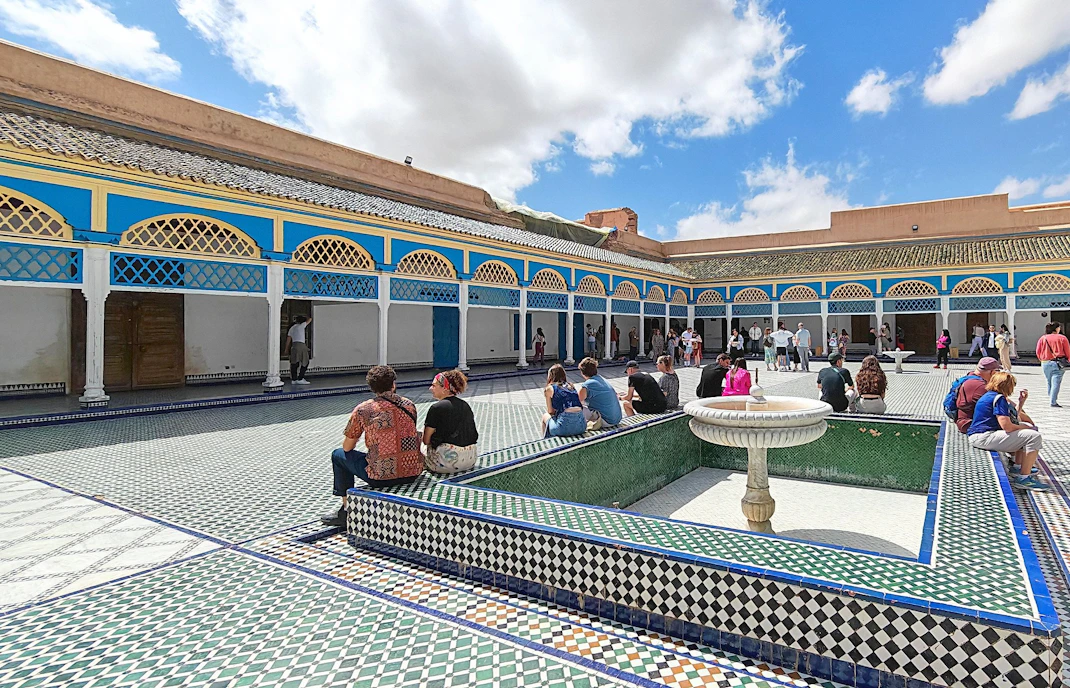
Go for the self-guided museum visit
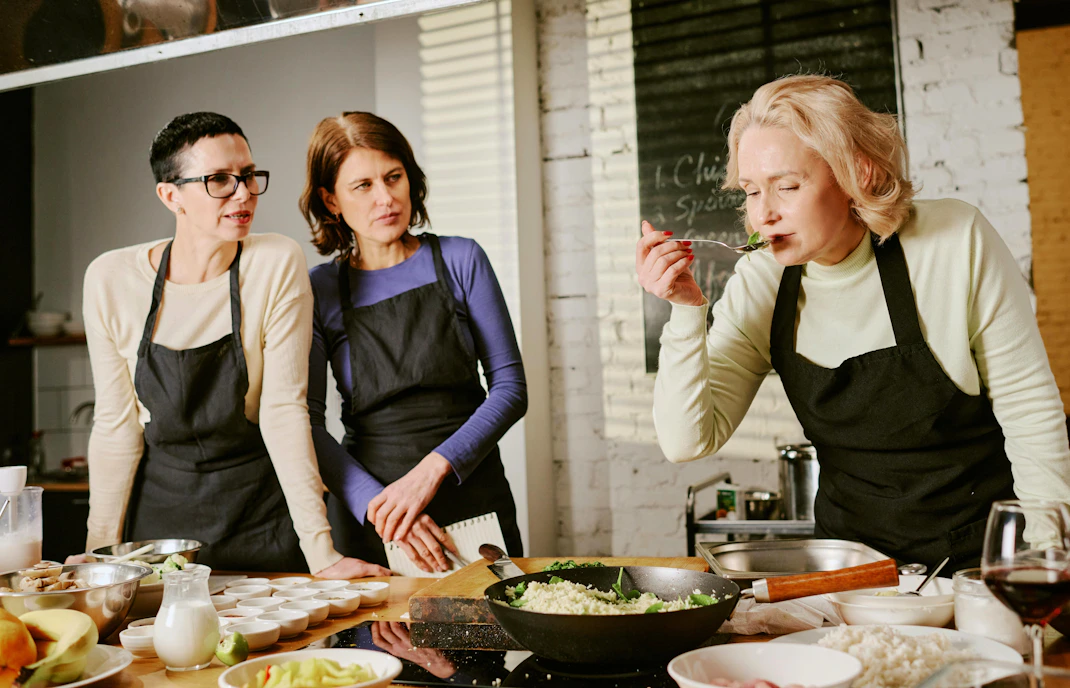
Go for the museum visit with tasting
- Choose this if you want full gallery access plus a curated mint tea or coffee break served with traditional pastries in the calm, air‑conditioned Salon de Thé.
- Choose this if you would like to taste key Moroccan flavors without committing the time or budget to a full cooking class. It serves as an easy, relaxing upgrade from standard entry.
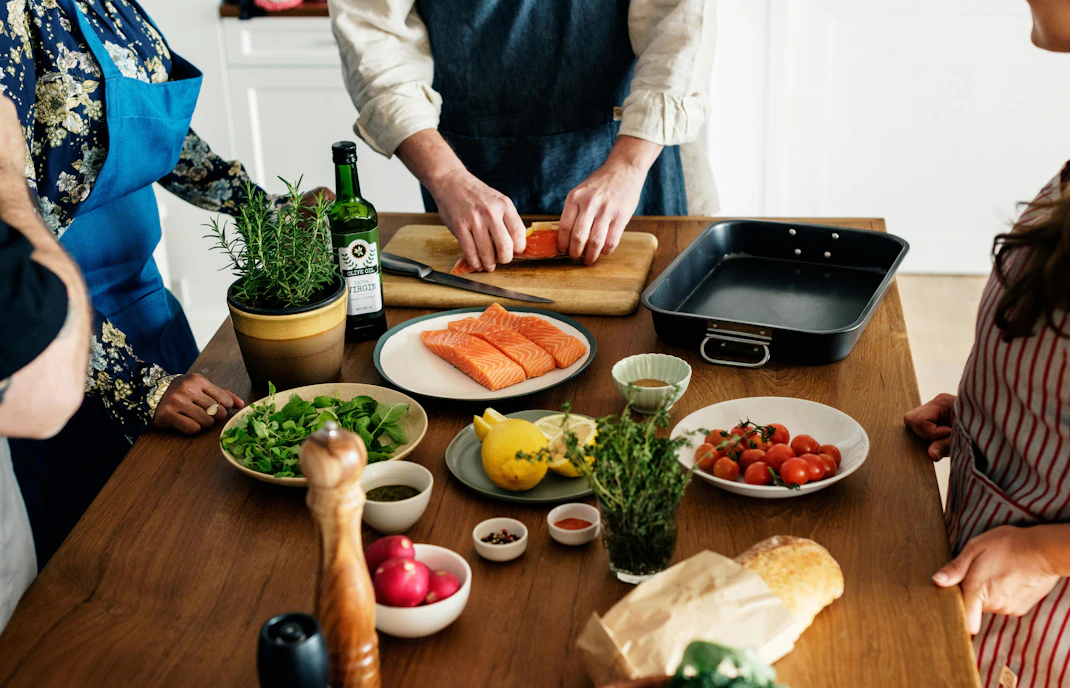
Go for the hands-on cooking class
- Choose this if you want a 3‑hour, Dada-led workshop where you will prepare classic Moroccan salads, a main tagine or couscous dish, and a traditional dessert at your own fully equipped cooking station.
- Choose this if you are happy to invest more time and budget for a deeper, diploma‑style culinary experience. (Tip: Choose the Premium option for a rooftop lunch and a souvenir apron).
Things to know before booking Moroccan Museum of Culinary Arts tickets
Booking Window
- Museum tickets are often available close to your visit date. Peak months (March–May, September–November) and weekend afternoons in Marrakesh can be busy, so booking a few days ahead secures your slot.
- Combo bundles pairing the museum with Bahia Palace, El Badi Palace, or the Saadian Tombs have limited daily availability and sell out faster than stand‑alone entries.
Entry & Access
- Tickets are dated; select your visit date at checkout. Some variants may include suggested time windows, always check your voucher.
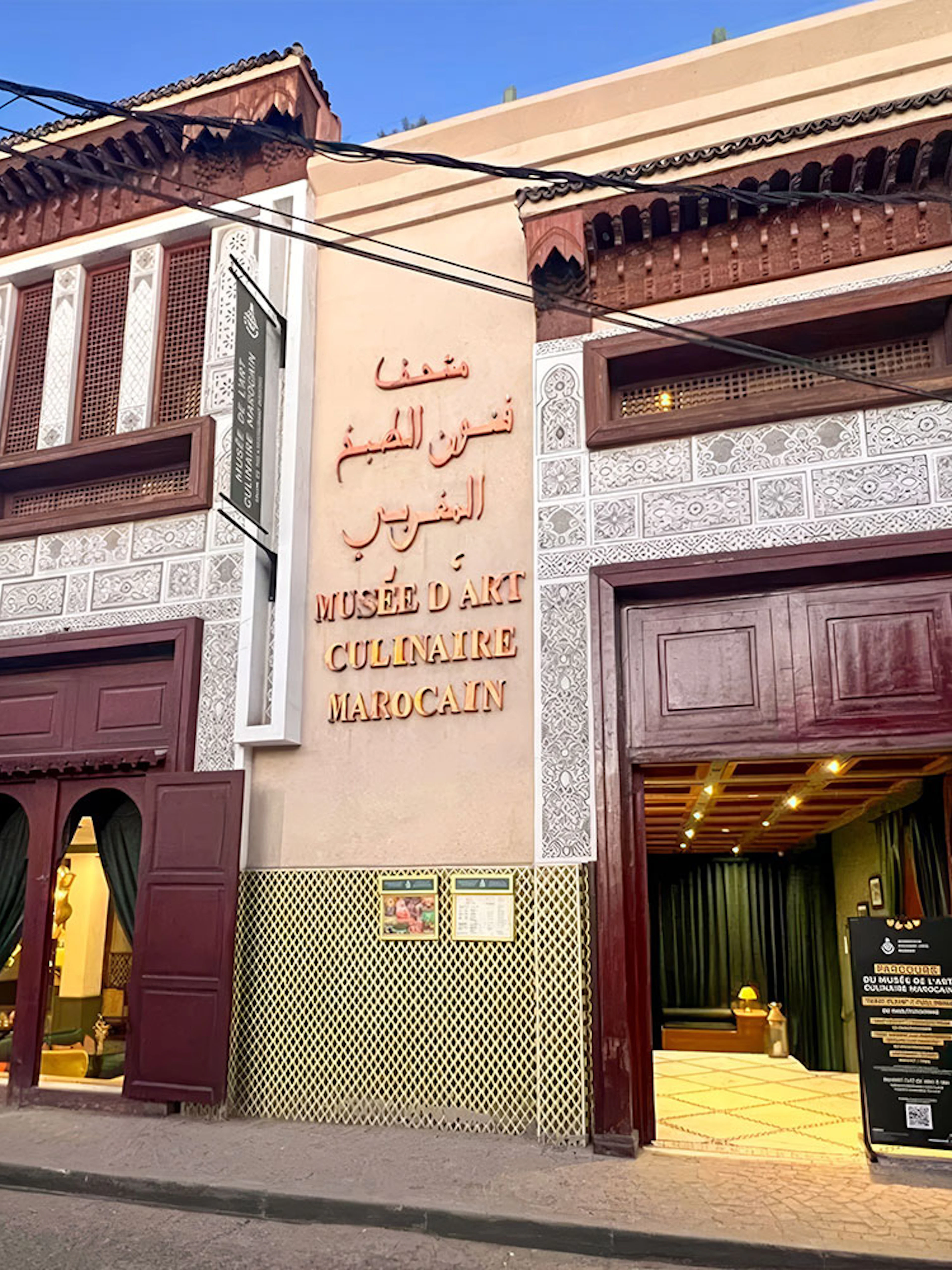
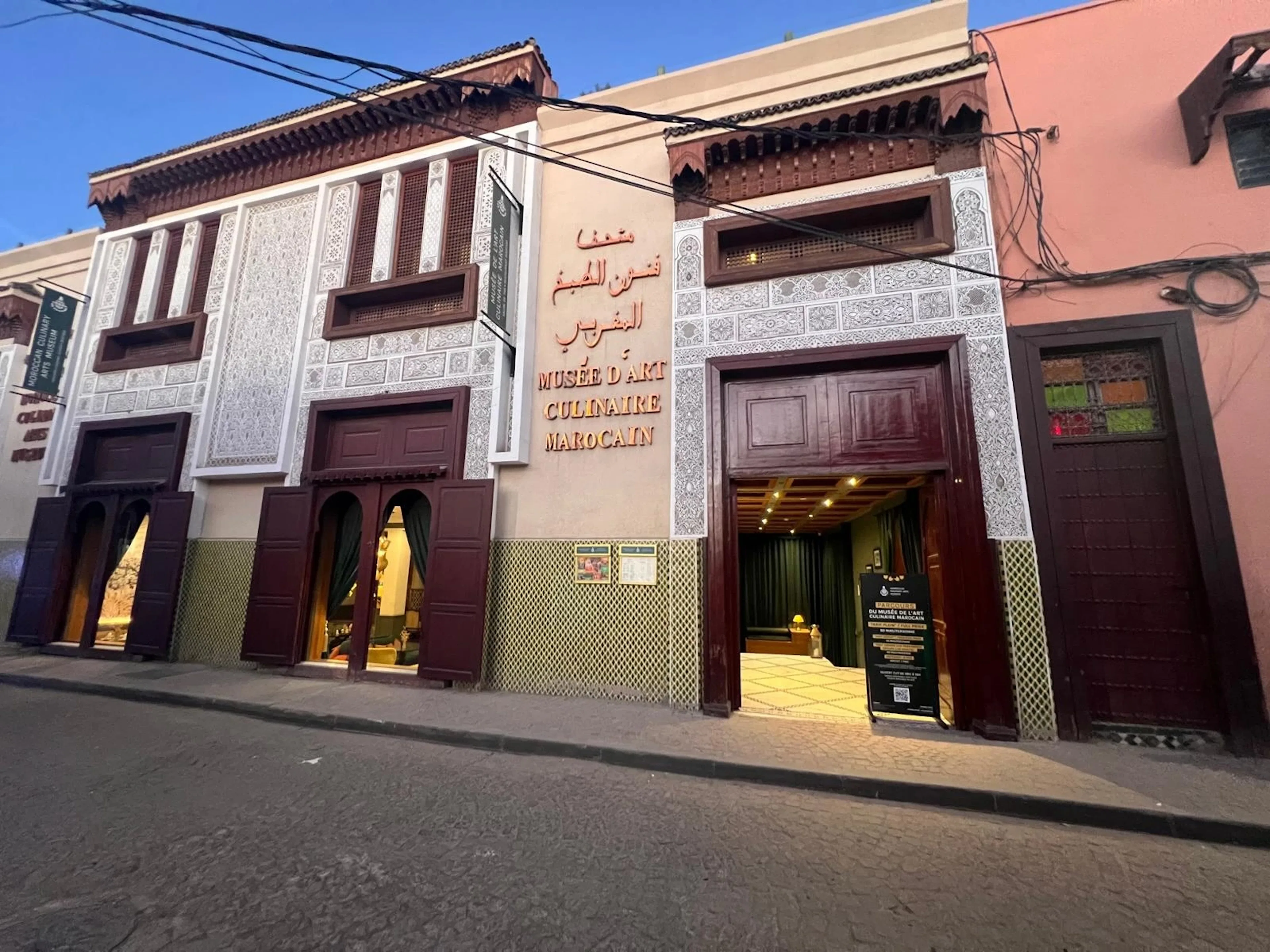
- Entry is via a digital ticket scanned at the museum entrance on Rue Riad Zitoun el Jdid in the pedestrian medina. Allow 5–15 minutes to walk from Jemaa el‑Fna or nearby parking.
- Last admission is 6pm, with museum hours running 9am – 8pm.
What’s Included
- Standard admission covers self‑guided access to the museum’s galleries inside a restored 18th‑century riad palace, featuring themed rooms on spices, utensils, tea culture, and regional dishes.
- Some variants bundle entry to nearby monuments. Cooking classes and full meals are not included in standard tickets; they require separate reservations.
Ways to Experience
- Visits are self‑paced, with most guests spending about an hour exploring six thematic zones.
- Audio guide variants use your own smartphone and headphones; download any required app before arrival, as Wi‑Fi can be patchy inside the riad.
- Cooking classes (separately booked) run daily between 9am – 5pm, with 34 stations led by traditional Dada chefs.
Add‑ons & Interactive Areas
- The “coffee break” variant includes one drink (coffee or Moroccan mint tea) in the museum’s tea salon.
- Interactive spaces like the spice gallery and multimedia recipe stations are included with standard admission.
- On‑site boutique offers spices, oils, teas, ceramics, and Moroccan tableware.
Policies & Constraints
- Reduced or free entry may apply for children; check age guidelines at checkout.
- The historic riad has no elevator; rooftop and upper galleries require stair access.
- Cooking classes and restaurant experiences are subject to availability and may follow separate cancellation policies.
Top areas to explore
1/4
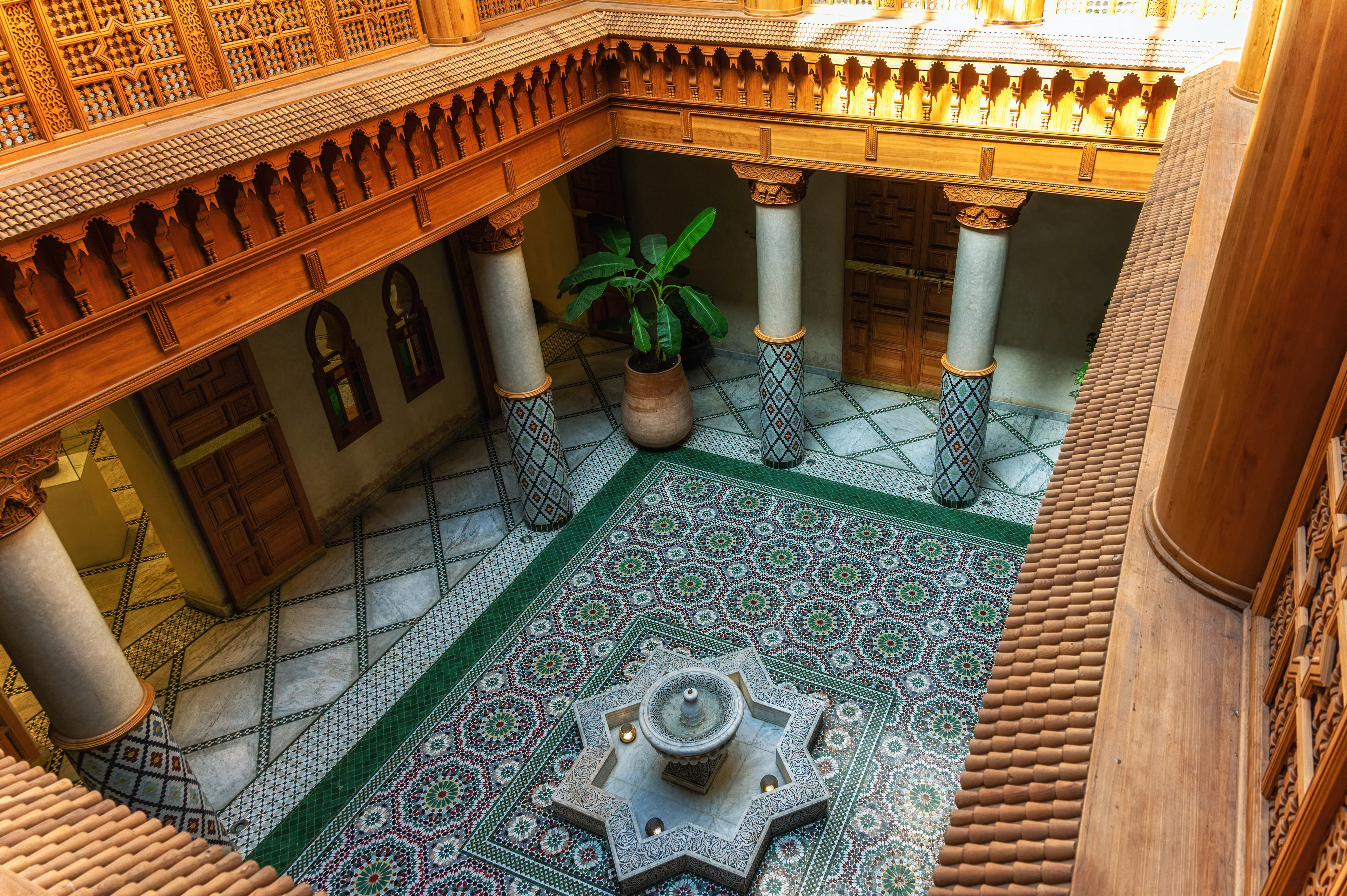
Grand Courtyard and Marble Fountain
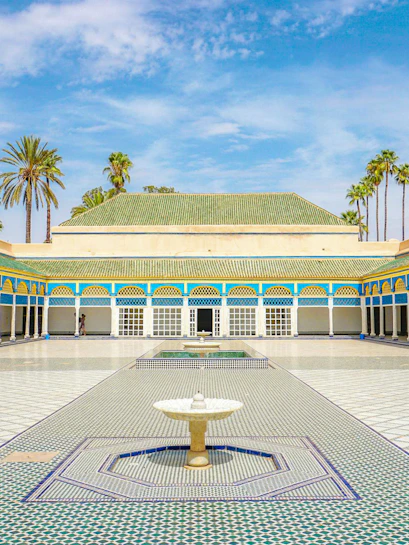
Step through the discreet medina doorway into a wide, sunlit courtyard centered around a Carrara marble fountain. Mature palms and olive trees cast shifting shade over zellige-tiled floors and stucco arches. The sound of water and the thick riad walls immediately lower the city’s heat and noise.
Spice Chamber & Herb Dispensary
Walk into a room lined with open jars and embroidered sacks of saffron, cumin, Ras el Hanout, and dried herbs. Warm aromas fill the air while educational labels explain each ingredient’s origins and historic trade routes.
Agricultural Heritage & Grain Storage Room
Large clay jars, woven baskets, and wooden chests illustrate traditional grain storage methods. Intricate diagrams trace olive and argan oil extraction alongside models of historic clay bread ovens.
Tea Salon Ritual Room (Replica)
A beautifully reconstructed salon complete with carpets, plush cushions, and low tables creates an intimate setting. Brass trays and teapots set the stage for understanding traditional Moroccan tea rituals.
Intensity & suitability guide
- Visual intensity: Moderate. Expect richly decorated riad architecture, detailed exhibits, and video screens showing cooking techniques. Lighting is gentle and static.
- Sound & vibration: Low. Galleries are calm with conversation-level noise; cooking classes feature typical, non-disruptive kitchen sounds.
- Motion & physical effects: Low intensity but sustained, requiring periods of standing and walking.
- Pacing & autonomy: Fully self-paced for museum entry, with fixed time sequences for the structured cooking workshops.
- Age & supervision: Family-friendly; close supervision is recommended for small children around the historic displays.
- Accessibility & comfort: Ground-floor areas provide smooth access; upper levels are accessed only via narrow stairs.
- Sensory sensitivities: Persistent, rich aromas and occasional cooking steam characterize the indoor gallery experience.
Plan your visit to the Moroccan Culinary Art Museum (MCAM)
- Museum schedule: Open daily from 9am to 8pm, with last entry at 6:00 pm. Please check your specific ticket voucher for final instructions.
- Self-guided visit duration: Approximately 1.5 to 2 hours.
- Cooking class duration: About 3 to 4 hours, typically running between 9am and 5pm.
- Activity mix: On-site time increases if you combine your museum visit with other historic monuments.
- Best time to visit: Peak seasons run from March to May and September to November, with afternoons and weekends being busier. Mornings are quieter and ideal for photography.

Address: Rue Riad Zitoun el Jdid, medina, Marrakech, Morocco | Find on maps
- Neighborhood: Set in the southern medina, the museum is just a few minutes’ walk from Bahia Palace, and close to other major landmarks like the El Badi Palace and the Saadian Tombs.
- Central access: The museum lies within the main tourist zone of Marrakech’s medina. It’s about a 10–12 minute walk south from Jemaa el-Fna square, the city’s central hub for visitors.
- Walking: Expect narrow, pedestrian‑only lanes; allow extra time if navigating with children or groups.
- By taxi: Drop‑off points are located just outside the medina. From there, it’s a 5‑minute walk to the entrance.
- Exhibition spaces: Themed galleries showcasing spices, utensils, tea culture, and regional dishes.
- Tea salon: A calm, air‑conditioned space on the ground floor serving traditional mint tea and artisan coffees.
- Cooking school: A state‑of‑the‑art facility with 34 individual workstations, led by traditional dadas.
- Rooftop terrace restaurant: Offers panoramic city views and authentic Moroccan meals.
- Interactive areas: Spice gallery and multimedia recipe stations included with standard admission.
- Ground‑floor areas provide step‑free access.
- Upper galleries and rooftop must be reached via narrow stairs; there is no elevator.
- Seating is available in designated areas, and visitor assistance can be requested from staff.
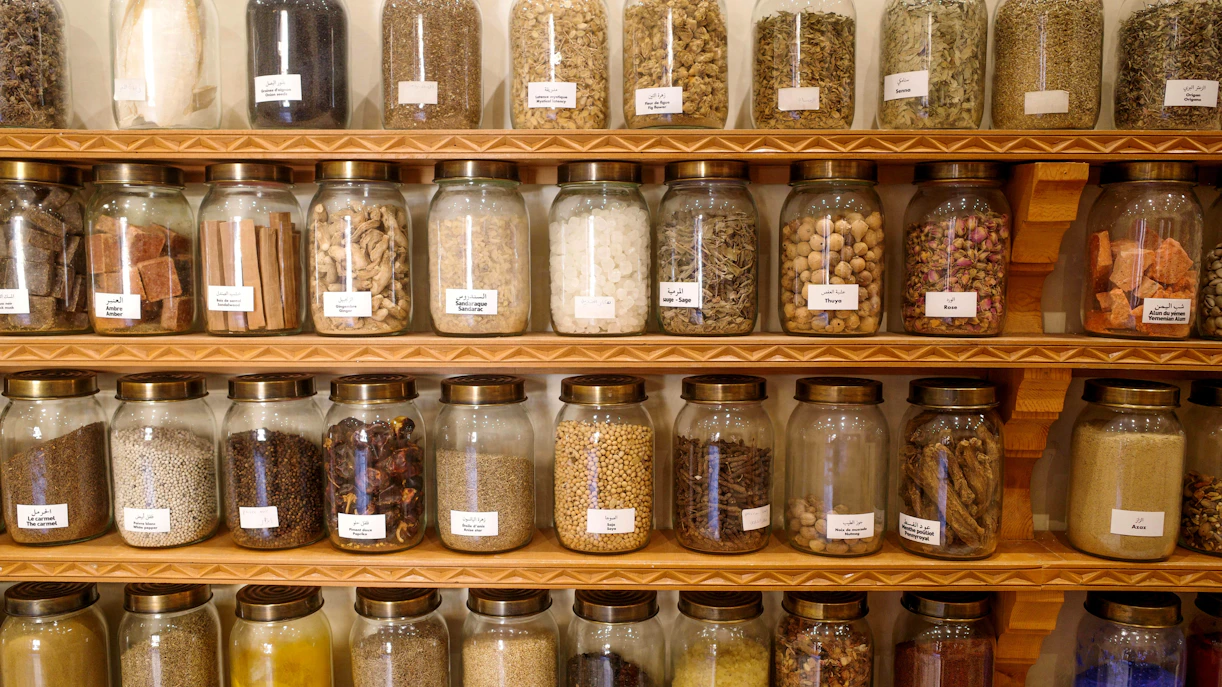
- The MCAM boutique, located near the tea salon, sells premium spices, cooking oils, teas, ceramics, and local crafts.
Open during standard museum hours for all ticketed visitors.
- Tea salon: Open daily from 9:00 am to 8:00 pm.
- Rooftop restaurant: Serves lunch daily from 12:00 pm to 5:00 pm, featuring classic Moroccan dishes.

- Bag policy: Managed securely by on‑site staff according to building safety requirements.
- Photography: Allowed for personal use; follow posted guidelines.
- Food and drink: Outside food is prohibited; consumption is limited to designated dining spaces (tea salon and rooftop).
- Behavior: Visitors are expected to remain respectful and cautious around delicate exhibits.
Tips & guidelines
- Aim to arrive 10–15 minutes before your scheduled start time; museum entry and cooking classes begin promptly. If you are running late, staff will advise whether you can still safely join based on group progress.
- The museum route is self-guided and flexible. Visitors often find it best to start with the spice and utensil galleries before relaxing in the ground-floor Tea Salon.
- For the best photos, step back into the far corners of the main courtyard to fully capture the marble fountain, zellige tiles, and historic cedar ceilings in one frame. Always check on-site signage regarding specific photography restrictions.
- Download your digital audio guide in advance, as mobile Wi‑Fi can be unreliable inside the thick walls of the historic riad structure.
- The riad naturally remains cool in the summer but can get quite chilly in the winter months. Dress in light layers and wear non-slip shoes suitable for tiled floors and stone stairs.
- Keep in mind that the upper levels and the rooftop restaurant are accessible only via narrow stone stairs; plan your trip accordingly if mobility is a concern.
Frequently asked questions about Moroccan Culinary Art Museum tickets
Yes, same-day tickets are often available at the door, but slots can sell out entirely during peak travel seasons. We highly recommend booking online a few days in advance to secure your preferred date and time block.
Standard museum tickets include complete self-guided access to all themed galleries and exhibition spaces. Options labeled “with coffee break” also add a complimentary hot drink (mint tea or coffee) paired with traditional Moroccan pastries inside the Tea Salon.
A self‑guided museum visit usually lasts 1–2 hours. Cooking classes run 3–4 hours, including preparation, cooking, and tasting.
Standard museum admission does not include cooking classes. These must be booked separately.
Yes. Children may benefit from reduced or free entry depending on age. Cooking classes are suitable for older children accompanied by adults.
Ground‑floor areas are step‑free. Upper galleries and the rooftop require stairs, as there is no elevator. Seating and staff assistance are available.
MCAM is in the southern medina on Rue Riad Zitoun el Jdid, about a 10–12 minute walk from Jemaa el‑Fna square. It’s close to Bahia Palace, El Badi Palace, and the Saadian Tombs.
The boutique sells spices, oils, teas, ceramics, and Moroccan tableware, open during museum hours.
Personal photography is permitted, but visitors should follow posted guidelines and respect the exhibits.
Tickets are dated; some variants show a suggested time window. Always check your voucher for any required arrival time and follow the entry instructions printed on it.
The museum and culinary experiences are offered in English and French. Check the product description for language options on specific dates.
Yes. There are combo options that pair the museum with nearby sites such as Bahia Palace, El Badi Palace, and the Saadian Tombs. Combo availability is limited and can sell out faster than single‑site tickets.
Entry is at the museum entrance on Rue Riad Zitoun el Jdid in the southern medina. It’s about a 10–12 minute walk from Jemaa el‑Fna; taxi drop‑offs near the medina require a short walk through pedestrian lanes. See your voucher for any specific meeting instructions.
Arrive at least 10–15 minutes before your scheduled time. Late arrival may affect entry for timed variants or combo itineraries; check your voucher for any grace period.