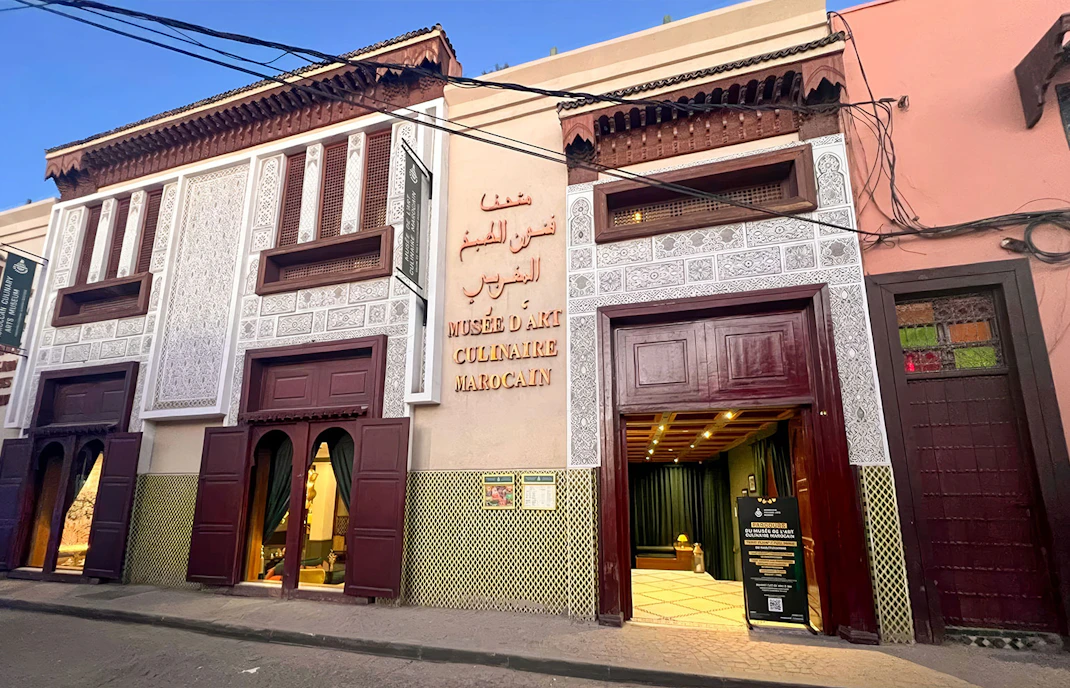
Is the Moroccan Culinary Arts Museum worth visiting?

You step off Rue Riad Zitoun el Jdid, and the Medina noise drops away almost at once. Inside, the museum feels cool, tiled, and unexpectedly spacious, with courtyards, cedar ceilings, and spice displays pulling you forward rather than crowd pressure.

It was created to treat Moroccan cooking as heritage, not as a souvenir performance. The setting matters: a restored 18th-century riad turned into galleries and teaching spaces, where tagines, couscous, tea ritual, and pastry-making are presented as part of everyday life and national memory.

The payoff is that you leave reading Marrakech differently. After this visit, a spice stall, a tea tray, or a bakery window stops feeling decorative and starts feeling connected to techniques, trade routes, and home traditions you can picture clearly.

Skip it if: stairs and uneven historic floors are difficult for you, or you only enjoy large-scale blockbuster attractions.

What’s inside the Moroccan Culinary Art Museum?
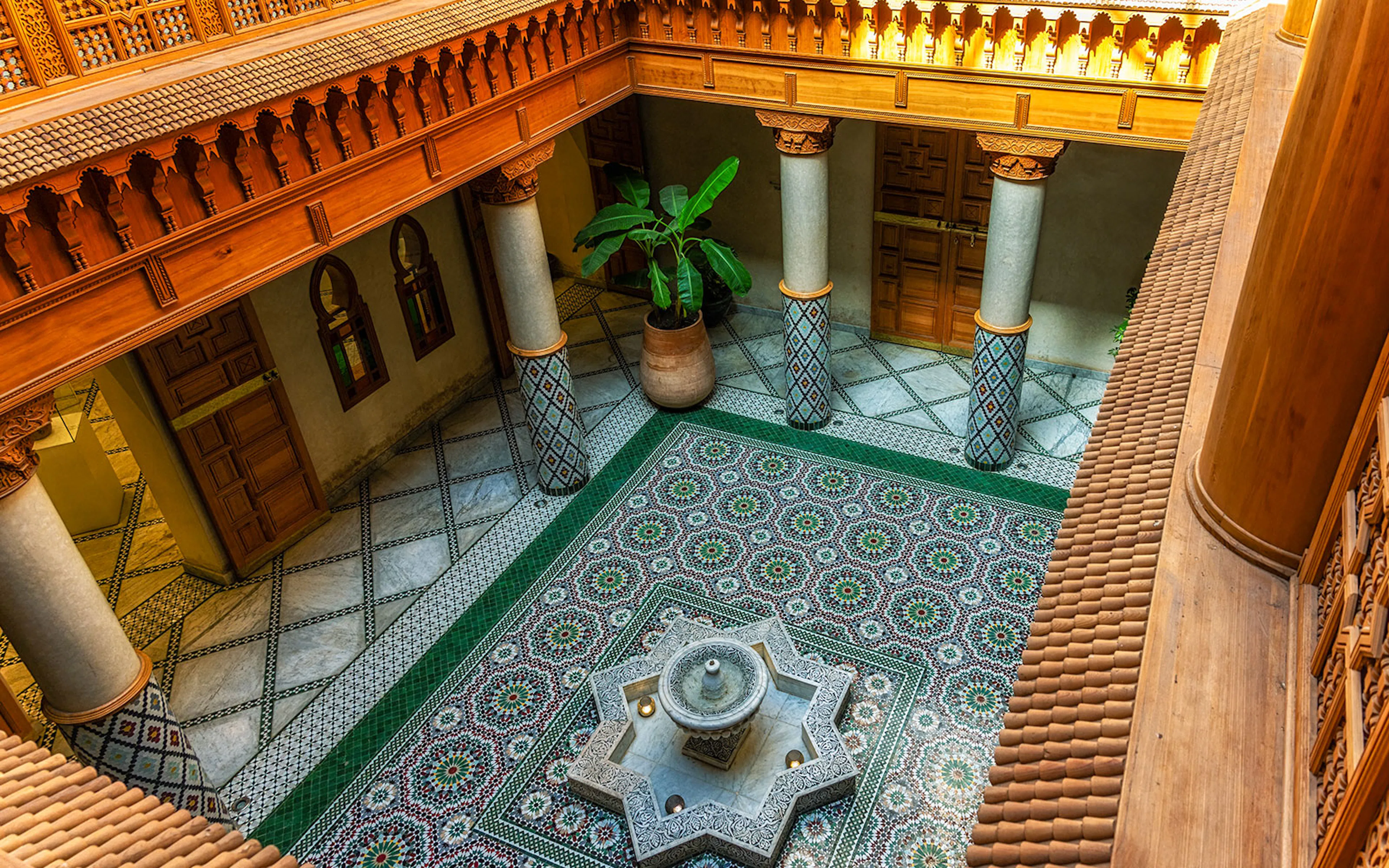
Entrance courtyard at the Moroccan Culinary Art Museum
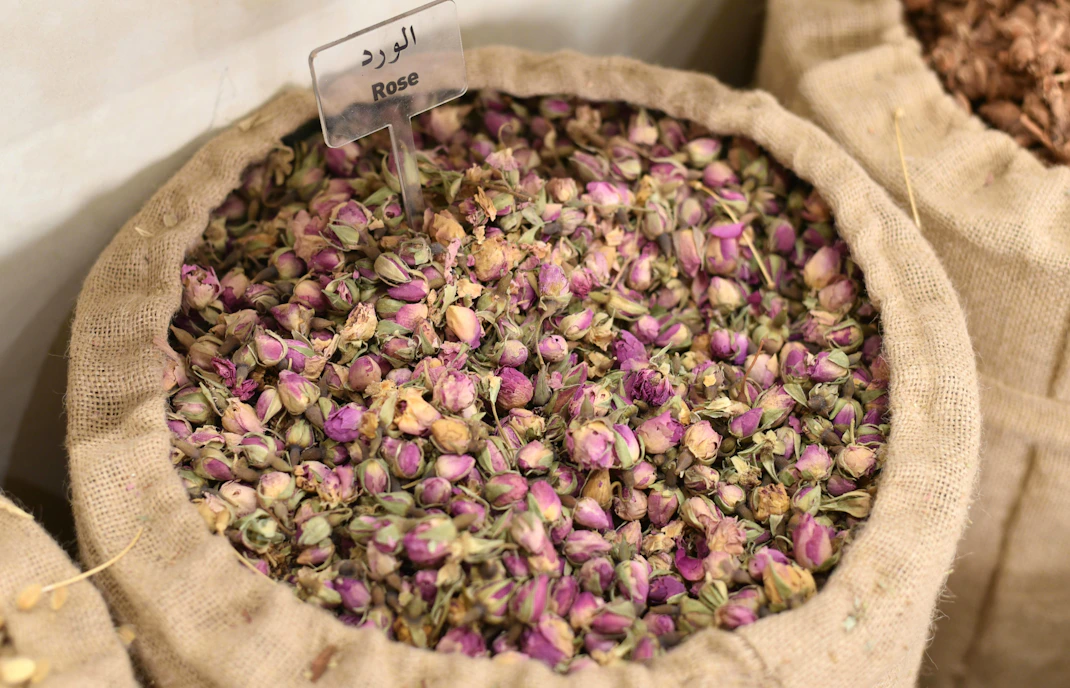
Spice gallery at the Moroccan Culinary Art Museum
Salad interpretation room at the Moroccan Culinary Art Museum
Utensil collection at the Moroccan Culinary Art Museum
Tea salon replica at the Moroccan Culinary Art Museum
Pastries and street food displays at the Moroccan Culinary Art Museum
Teaching kitchen at the Moroccan Culinary Art Museum
1/7

The entrance courtyard

The first courtyard sets the tone: zellige floors, carved columns, olive trees, and a Carrara marble fountain that makes the museum feel more like a lived-in riad than a conventional gallery.

The spice gallery

Open sacks and displays of ras el hanout, cumin, and saffron explain where Moroccan flavor starts. The audio guide is especially useful here because the trade-route story is not always obvious from the objects alone.

The salad interpretation room

Preserved ingredients in glass jars show how cooked and raw salads are built. It is a quieter room, but a useful one for understanding color, acidity, and spice balance before the heavier tagine and pastry sections.

The utensil collection

Antique copper pots, couscous steamers, tagines, and bread-baking tools explain the mechanics behind dishes you have probably already seen on menus. This is where the museum becomes practical rather than purely decorative.

The tea salon replica

A recreated reception room with low tables, brass trays, and decorated glassware shows that Moroccan tea is social choreography as much as a drink. It prepares you well for the included tea or coffee break later.

Pastries and street food displays

This section moves from intricate sweets to everyday Medina eating, linking neighborhood ovens, market snacks, and festive pastries. If time is tight, do not rush this room; it connects the museum most directly to the streets outside.

The teaching kitchen

The 34-station cooking school turns the museum from display into practice. Classes are booked separately, but even seeing the setup clarifies that this place is built to preserve technique, not just objects.

How to explore the Moroccan Culinary Art Museum
Time
Budget 60–90 minutes for the museum itself, or up to 2 hours if you want the full digital audio guide, time in both courtyards, and the included tea or coffee with pastries at the end. Start on the ground floor, where the riad architecture explains the mood of the place before the food story begins. Move first through the courtyards and spice displays, then the salad and utensil rooms, and leave the pastry, street-food, and tea-ritual sections for later; that sequence works because the exhibits move from ingredients and tools to finished customs.

Must-see

The Carrara marble fountain courtyard, the spice gallery, and the antique utensil collection. Optional: linger 20–30 minutes in Le Salon de Thé after the galleries; the tea and pastries land differently once you have seen the ceremonial side of Moroccan hospitality. Self-paced works well here, provided you download the audio guide before arrival; the museum is compact, and the digital commentary does a better job than wall text at explaining trade routes, tea etiquette, and culinary vocabulary.

Brief history of the Moroccan Culinary Arts Museum

  • 18th century: The riad is built as a medina palace for a notable Marrakesh household, using traditional courtyard architecture and craft techniques still visible today.
  • Late 2019: The building undergoes a major renovation, preparing it for a new life as a museum devoted to Moroccan culinary heritage.
  • Early 2020s: The Moroccan Culinary Art Museum opens its thematic galleries and teaching spaces, framing cuisine as cultural history rather than simple hospitality.
  • Following its opening: A partnership with Le Meydene helps revitalize the venue and strengthen its place in Marrakesh’s cultural circuit.
  • Today: The museum operates as both an exhibition space and a working culinary school, preserving recipes, tools, rituals, and the knowledge traditionally carried by Dadas.

Who built the Moroccan Culinary Arts Museum

The museum is a contemporary cultural project managed by Tariq Maamouri and Ahmed Faidi, who repositioned a restored 18th-century riad as a museum and teaching kitchen. The ambition was not simply to display old utensils, but to institutionalize Moroccan culinary knowledge as heritage that can still be cooked, taught, and tasted.

Architecture of the Moroccan Culinary Art Museum

Style

Traditional riad architecture, with blank outer walls and an inward-looking plan that makes the museum feel unexpectedly calm after Rue Riad Zitoun el Jdid.

Materials

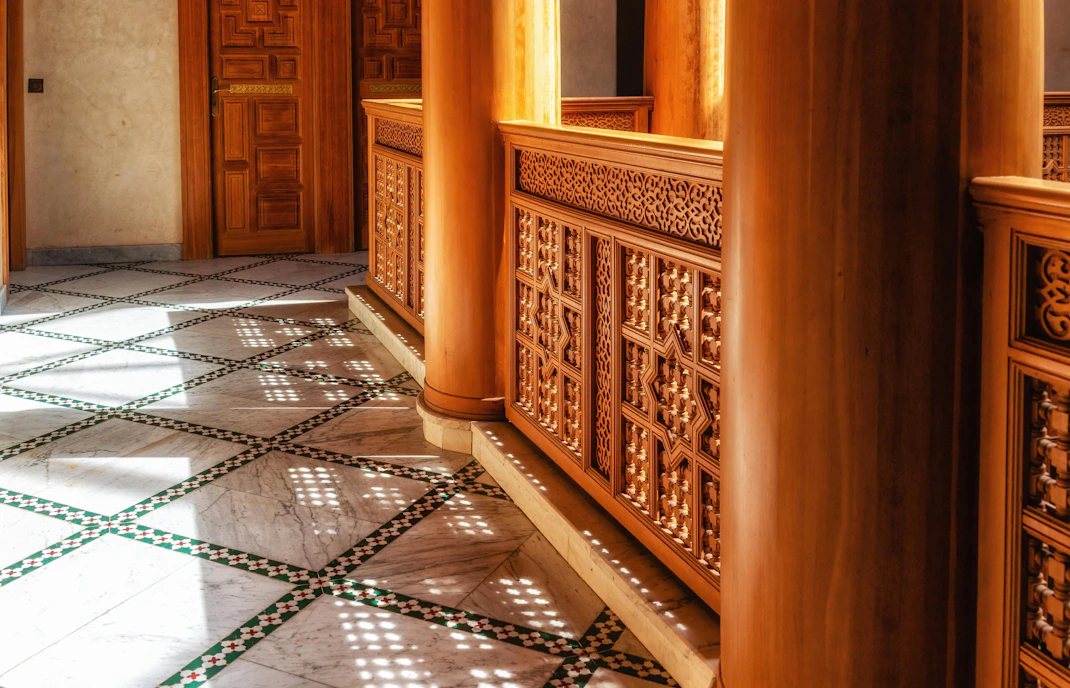
Rammed-earth walls, zellige tile, carved cedar, plaster stucco, and tadelakt create the cool, textured surfaces you notice immediately underfoot and at eye level.

Climate design

The thick pisé walls and shaded courtyards are passive engineering, keeping interiors cooler than the street and softening the Medina’s summer glare.

Courtyards

Two patios organize the visit; the larger frames a Carrara marble fountain, olive trees, and columns that slow the pace before you move into the galleries.

Fun fact about the Moroccan Culinary Arts Museum

One of the museum’s smartest ideas is that it treats the Dada — the expert home cook — as a cultural authority, not a backstage figure. Moroccan cuisine was historically transmitted orally, through repetition, memory, and instinct rather than fixed recipes. By building classes and demonstrations around that tradition, the museum preserves more than dishes; it preserves judgment — how spice should smell before it is ready, how pastry should feel, when a sauce has reached the right thickness. That makes the place feel less like a display case and more like a living archive.

Frequently asked questions about the Moroccan Culinary Art Museum

Yes, especially if you want a quieter medina stop with substance. The museum is compact, airier than most old-city sights, and easy to book alongside a tea break through Marrakesh: Moroccan Culinary Art Museum Tickets.

More reads